Daily Archives: February 10, 2014
The Gandhi paradox
We visited the Gandhi Smriti (Memorial) in the center of New Delhi, the house and garden where Gandhi lived the last month of his life and where he was assassinated on the 30th of January 1948.
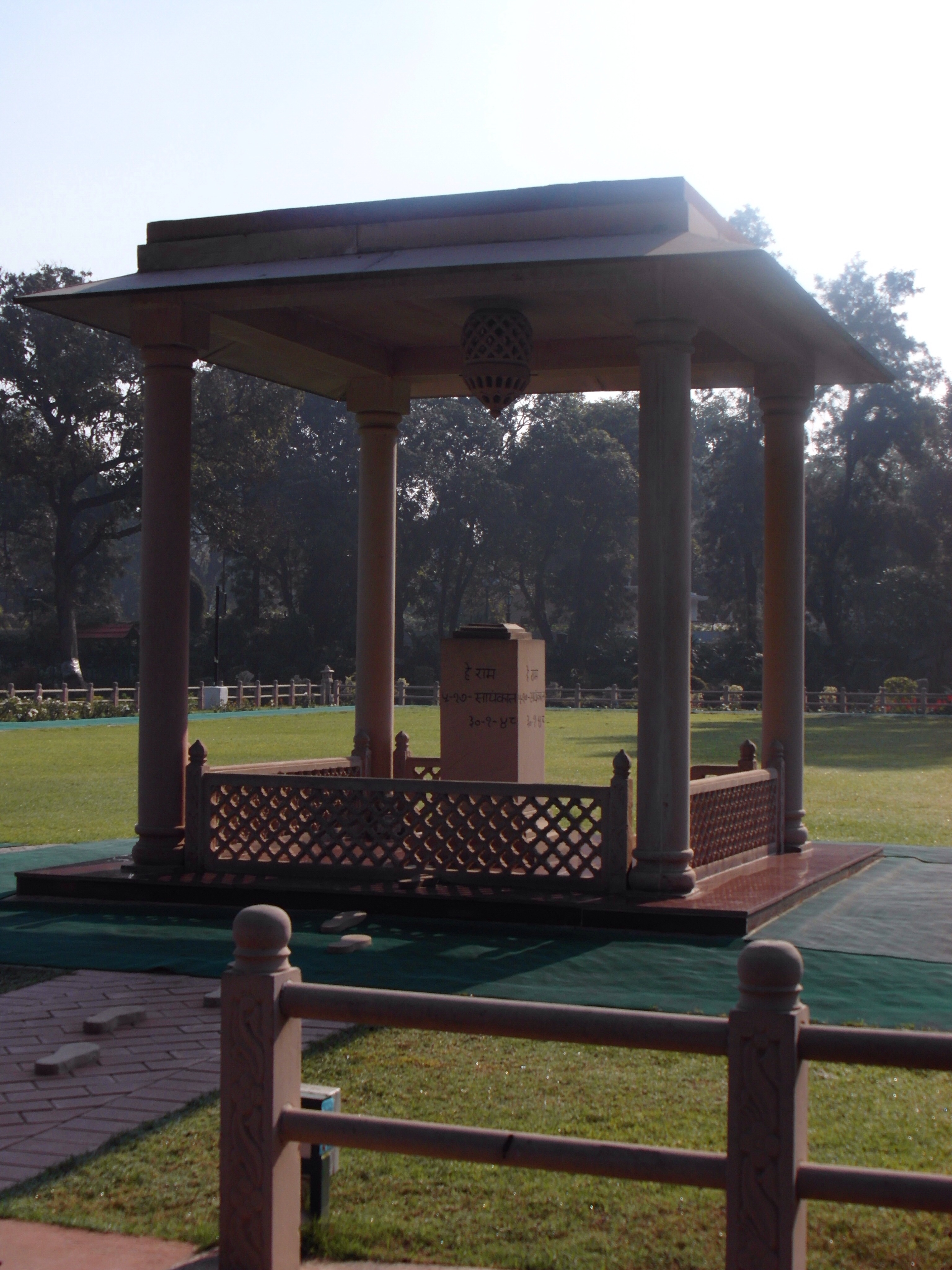
Even today, the Gandhi Smriti is a remarkably peaceful oasis in the middle of a bustling city. Our visit represented an opportunity to reflect upon the accomplishments of this simple yet great man. Through non-violent civil disobedience, Gandhi had been able to bring about the independence of India after more than a millennium of domination by foreign invaders.
The philosophy of non-violence goes back thousands of years in India. The concept of “ahimsa”, not hurting anyone in this world, is central to Hindu beliefs. Buddhism, an offshoot of Hinduism, even became the state religion in the third century BC.
But then came the Huns. Buddhist kings don’t make great warriors and don’t waste a lot of energy building strong armies. They were certainly no match for the Huns. And that is thought to be why Buddhism became essentially extinct in India a few centuries later.
Non-violence took a hit again in the eleventh century when the Moslem invasions started taking bigger and bigger chunks of the Indian subcontinent. First came the Turks, then the Afghans, and finally the Persians.
Delhi seems to be the ideal place to learn about this facet of the history of India. This is because Delhi is located in the north part of India which is where the Moslem invasions occurred, whereas other parts of India were never conquered by the Moslem invaders.
Moreover, a surprising number of monuments, tombs and other buildings still exist in Delhi for each of the empires which conquered this city, and, unlike Rome, each successive king built his city next to, rather than on top of the preceding one.
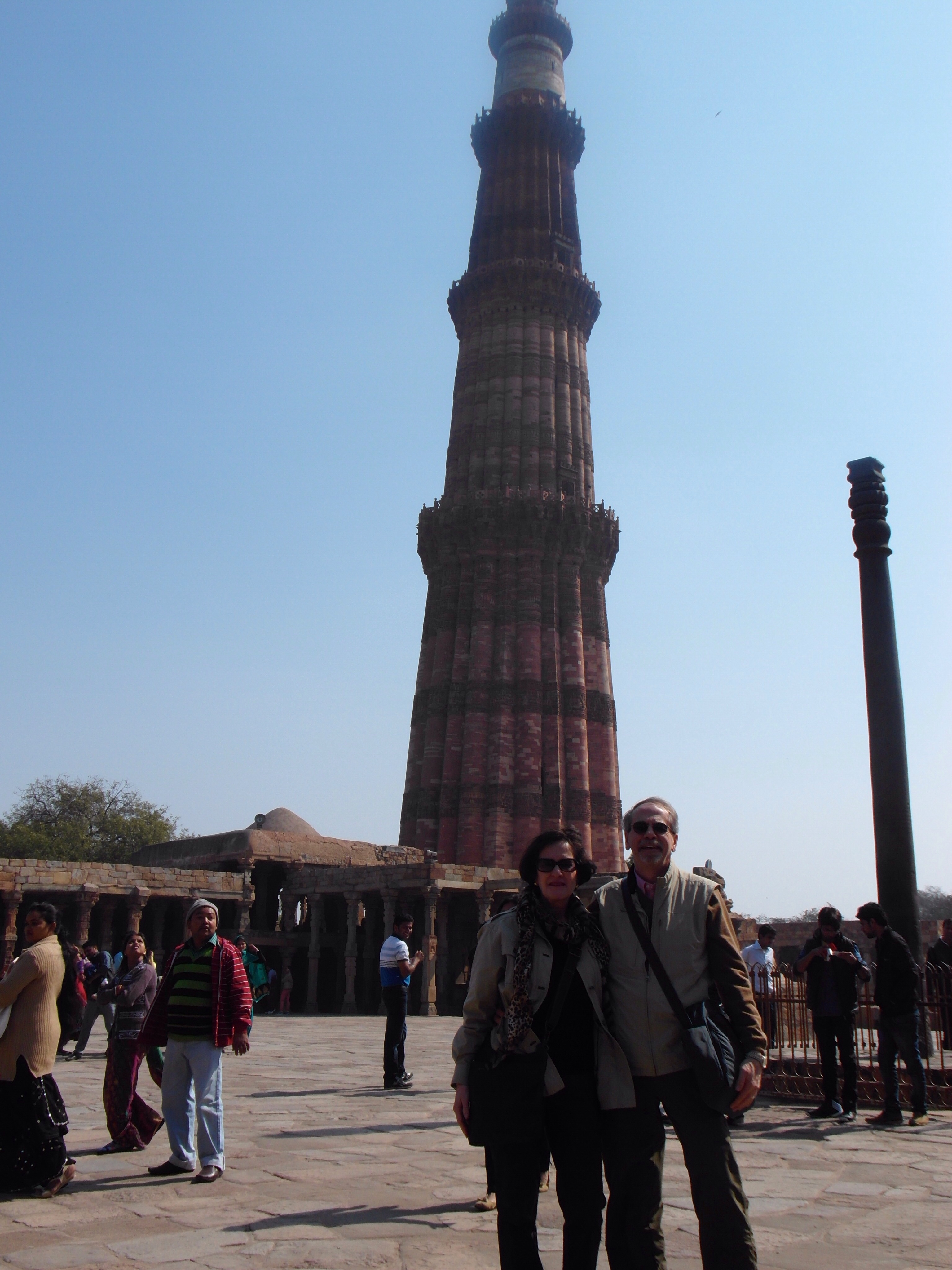
We visited Qutab Minar in the southern part of New Delhi, built in 1192 by the Turkish Sultan Aibak.
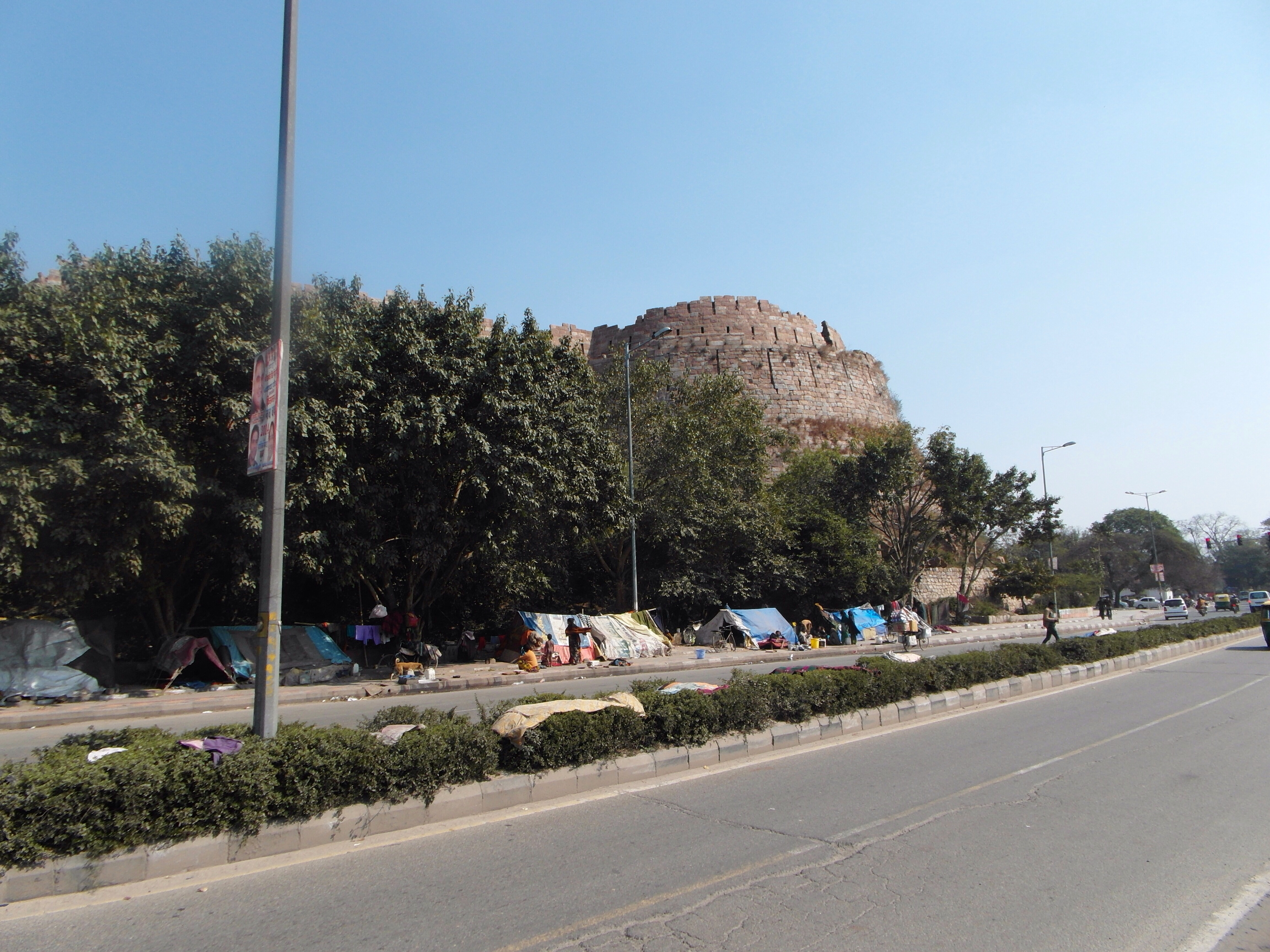
We also visited the fort of Tughlakabad, an immense walled city built in the 1320s by another Turkish Sultan of Delhi.
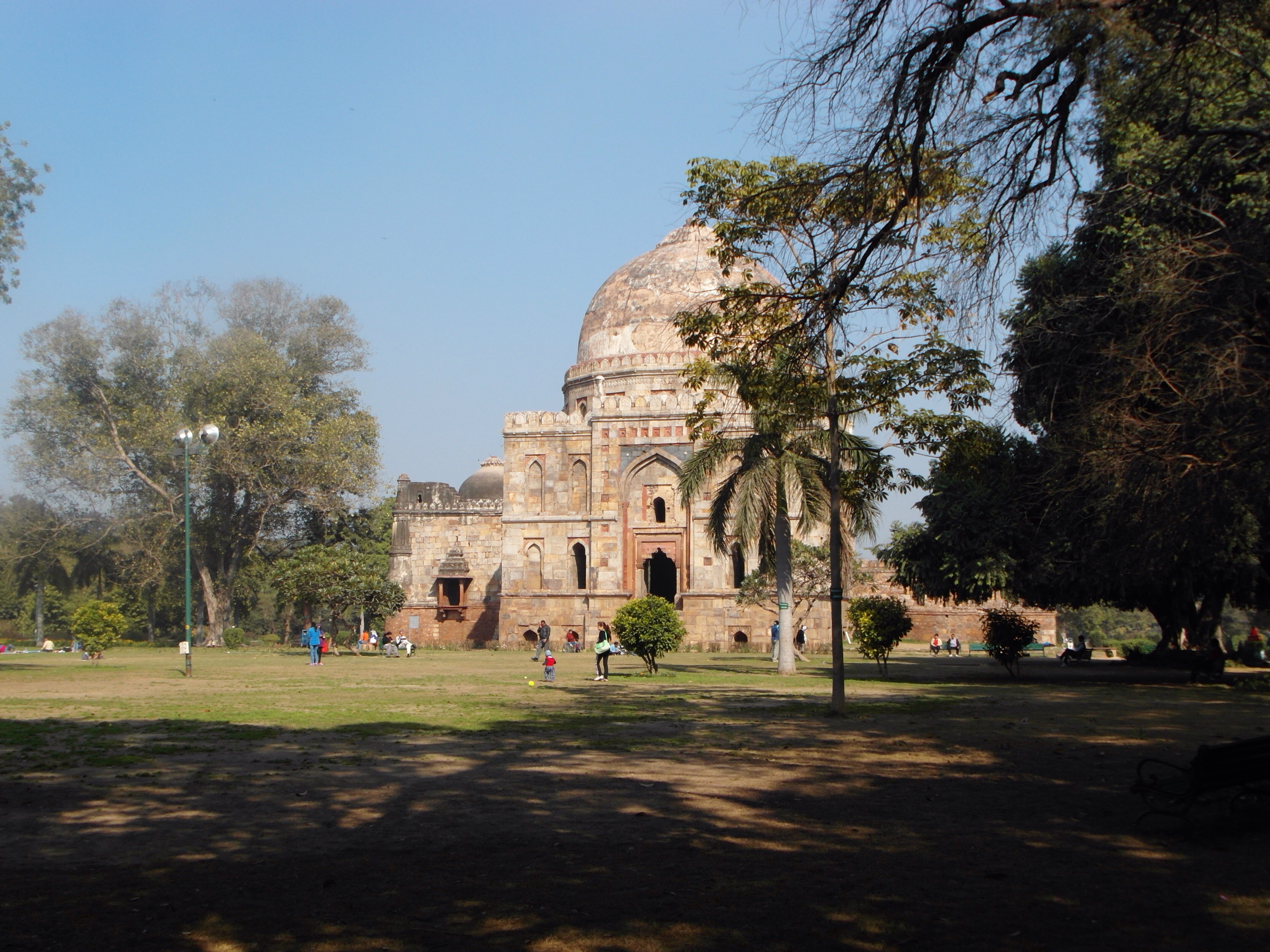
We walked through the Lodhi Gardens, named after the Afghan dynasty which conquered and ruled Delhi in the 15th century.
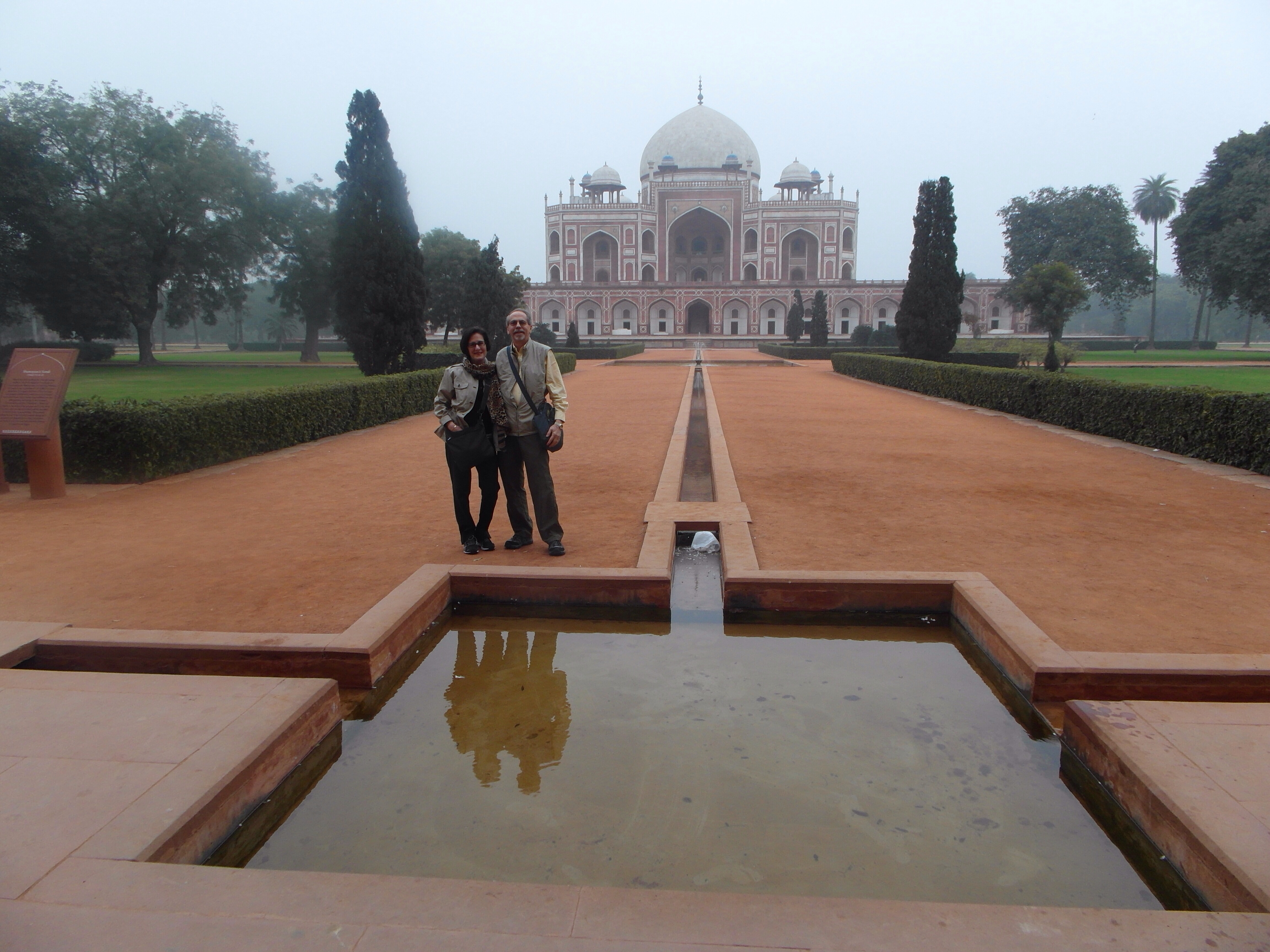
We toured Humayun’s Tomb, a fascinating, well preserved and well maintained historical site. Emperor Humayun, who ruled in the 16th century, was part of the Persian “Mughal Empire”, which ruled northern India for about 300 years.
The British Empire followed, and much of “New” Delhi, including most of the government buildings, were built during that period.
More than a thousand years of foreign domination, and what one could claim to be the failure of non-violence in the face of well armed and determined invaders.
And then came Gandhi!
Room service Maharajah-style : Oberoi Rajvilas, Jaipur, Rajasthan, India
When we ordered tea and toast from room service for delivery at 5am, little did we know that room service at the Oberoi Rajvilas in Jaipur is taken to a whole new level.
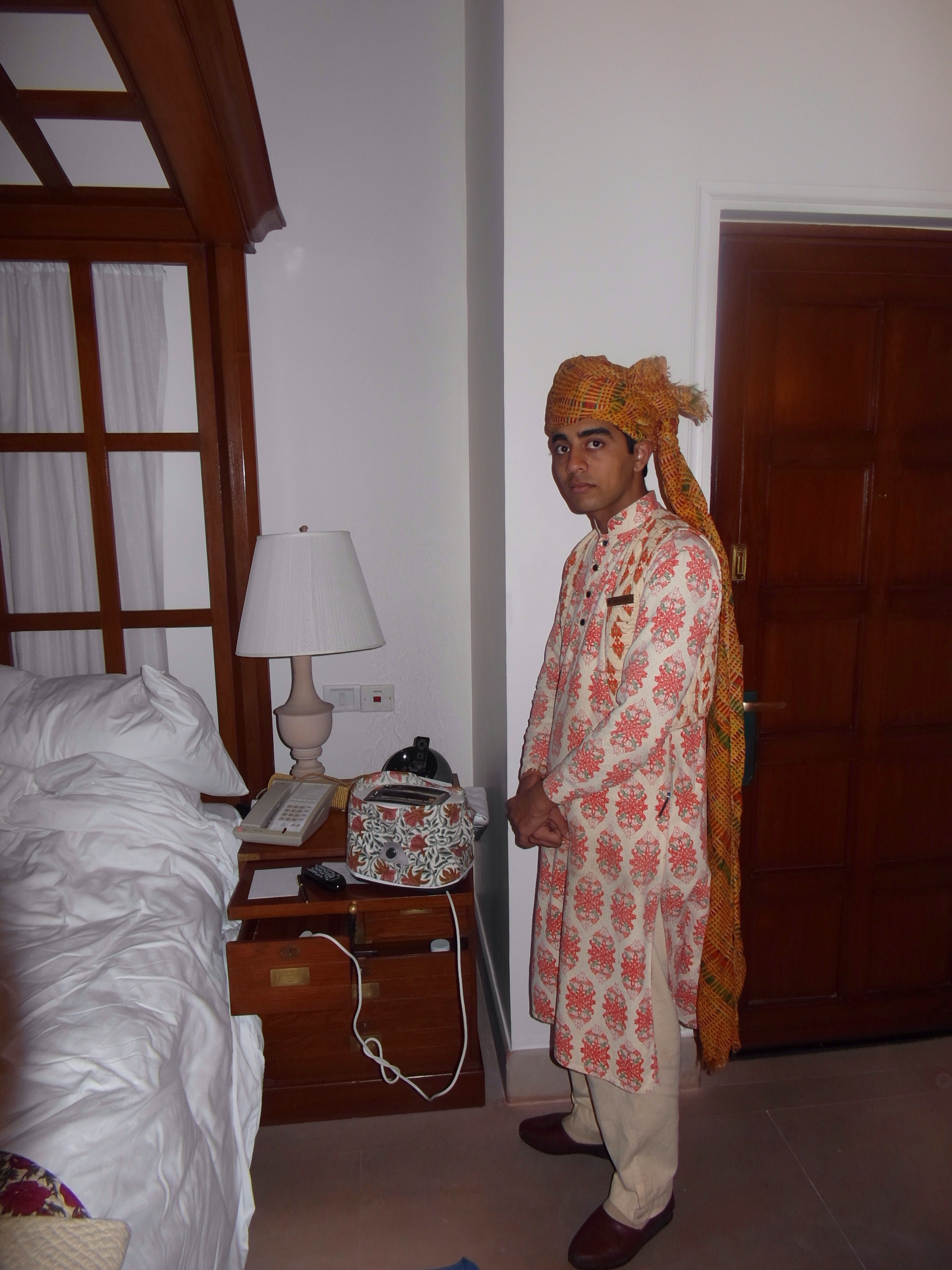
The waiter brought a toaster to the room and patiently toasted six pieces of bread to perfection before brewing our tea at the last moment in order to make sure the tea would be of the ideal strength.
Why room service at 5am? Because we are flying over Jaipur in a hot air balloon at sunrise, an experience which we will no doubt blog about at some point.