Daily Archives: February 18, 2014
Mumbai, the Vibrant Heart of Today’s India
The heavily visited cities of the Golden Triangle - Delhi, Jaipur, Agra - highlight the glories of India’s past with their forts, mausoleums and other centuries-old monuments. However, for a real sense of today’s India, head to Mumbai.
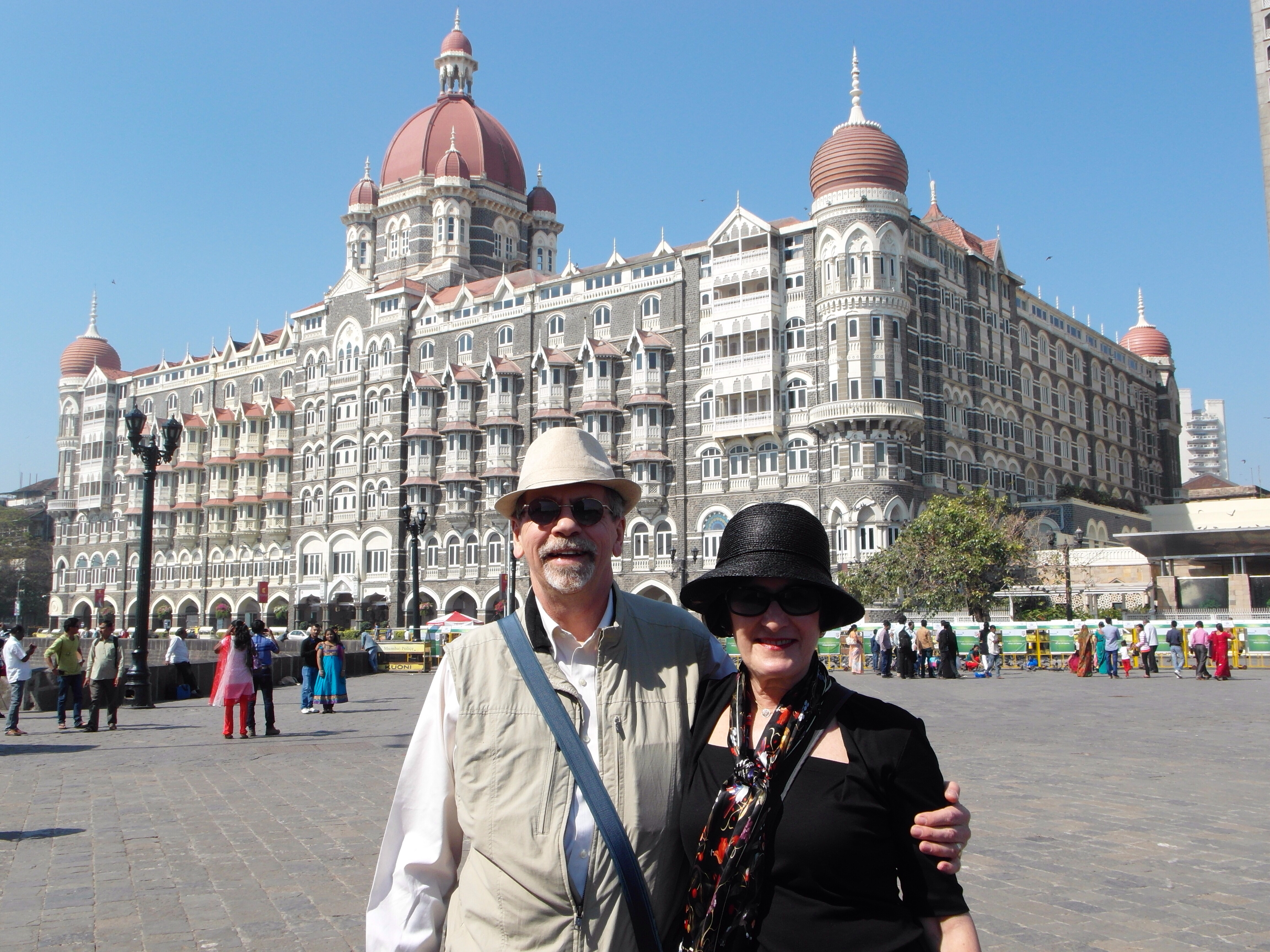
Mumbai is the commercial and entertainment capital of India. This metropolitan area of about 21 million people is one of the ten largest in the world and accounts for 25% of India’s industrial production, 70% of its maritime trade, 70% of its capital transactions.
The seven islands which constitute Mumbai (the name of a local goddess) were originally occupied by villages of fishermen. The Portuguese were given Mumbai by the sultanate of Gujarat not too long after the Portuguese fleet broke up the monopoly of the spice route by winning the battle of Diu in 1506. The Portuguese called it Bom Baim (Good Bay), which later became anglicized as Bombay.
When Prince Charles of England married a Portuguese princess in 1661, Bombay was given to England as part of her dowry, and much of downtown Mumbai reflects the British architecture and rule which lasted until 1947. Mumbai is a melting pot of people from all parts of India and is a delight to explore for all its wonders.
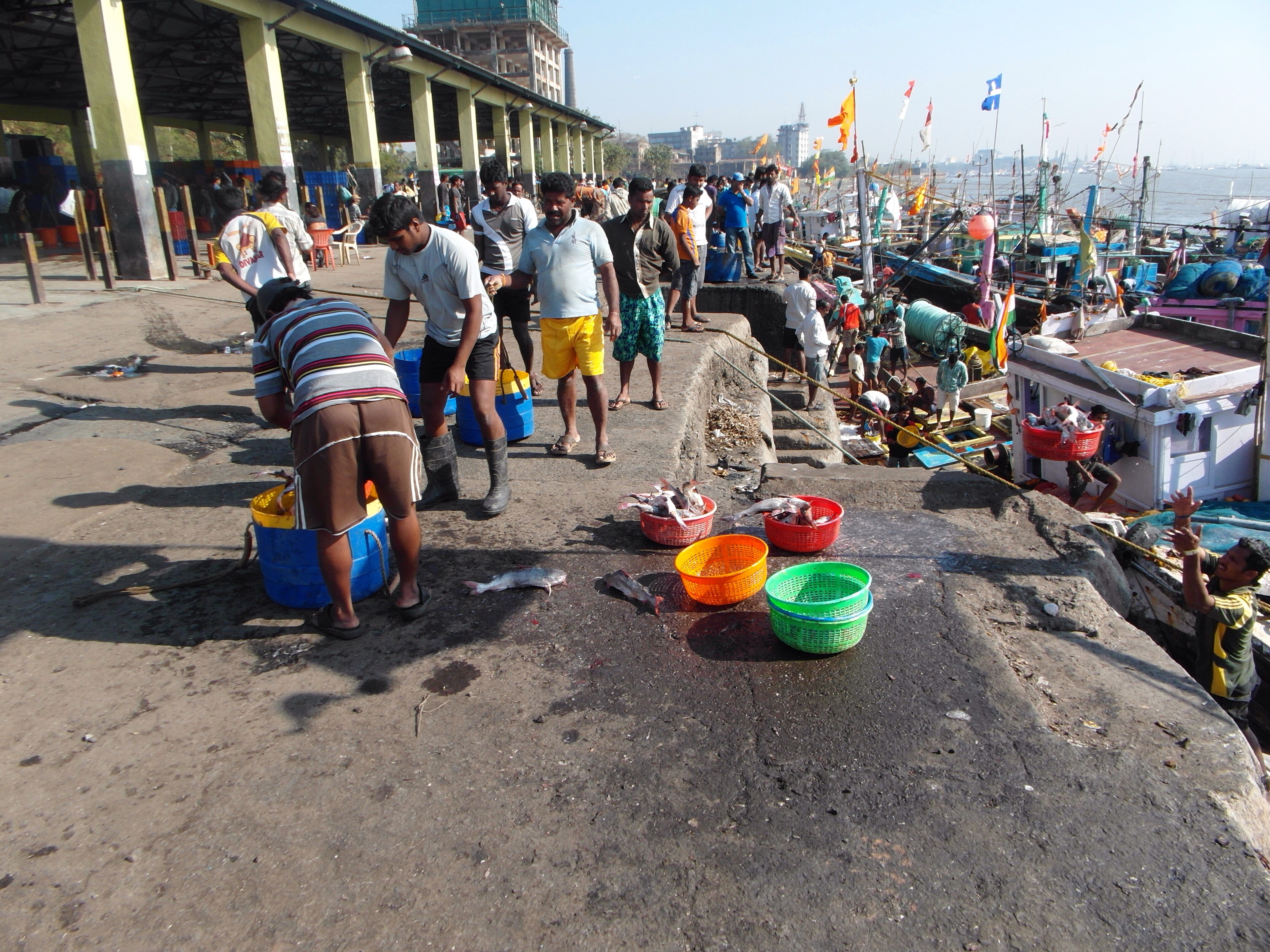
We started our first day at the Sassoon fishing dock, buzzing with activity as the fishing boats were unloading their catches. Baskets of all types of fish, large and small, were being uploaded from the holds to the top of the piers in a smoothly operating human chain which ended at the weighing stations.
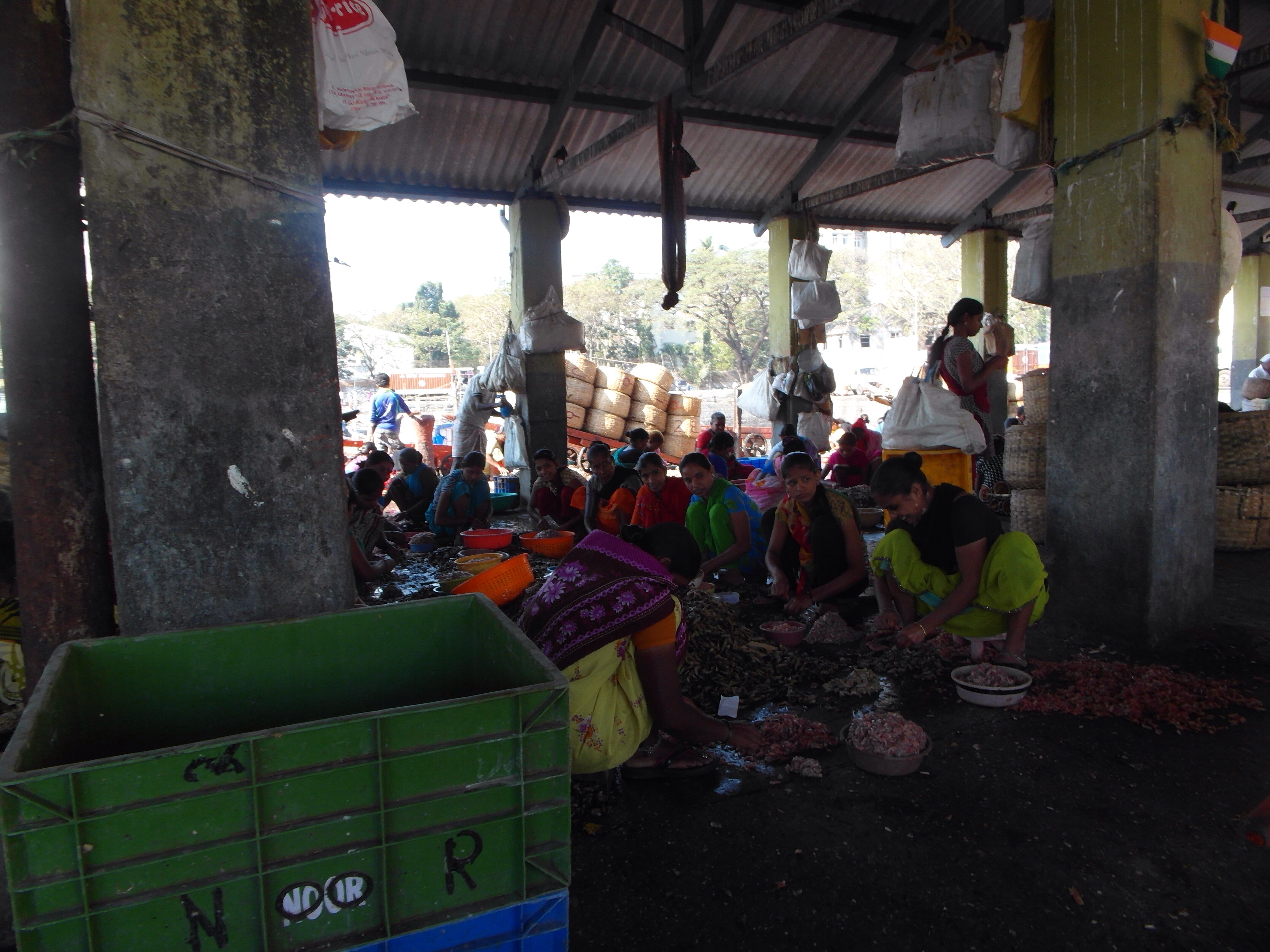
Hundreds of women were peeling and sorting the shrimp catch of the day, under the watchful eyes of idle men who were refusing to allow photos to be taken.
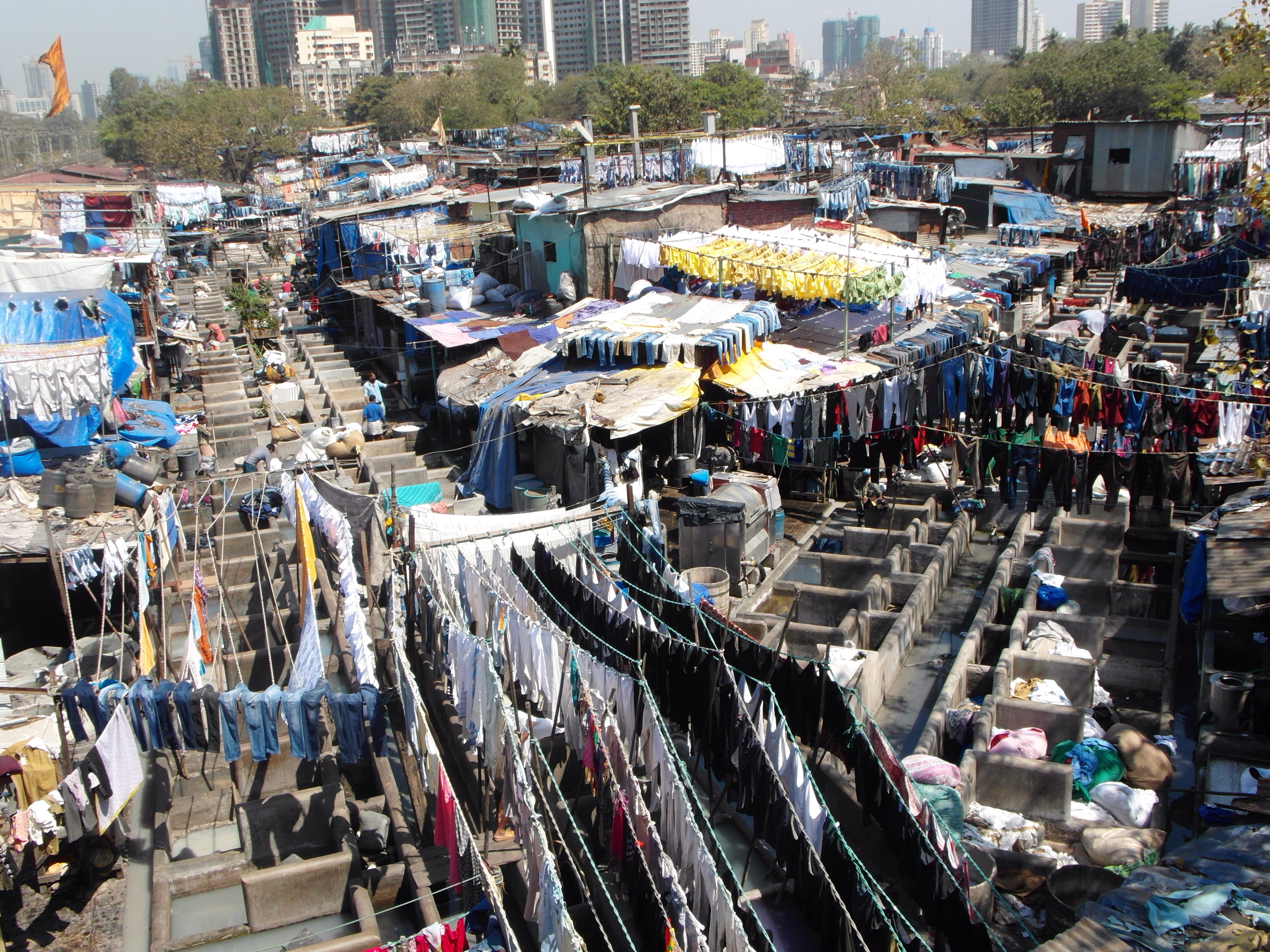
We then went to the Dhobi Ghat of Cobala to watch the Mumbai clothes washers in action. Dirty clothes are collected from a dwelling in the morning, brought to the Dhobi Ghat where they are washed, dried, ironed and then returned to their owners in a day or two. The cost for a two-piece garment is about 40 rupees, or about 66 US cents.
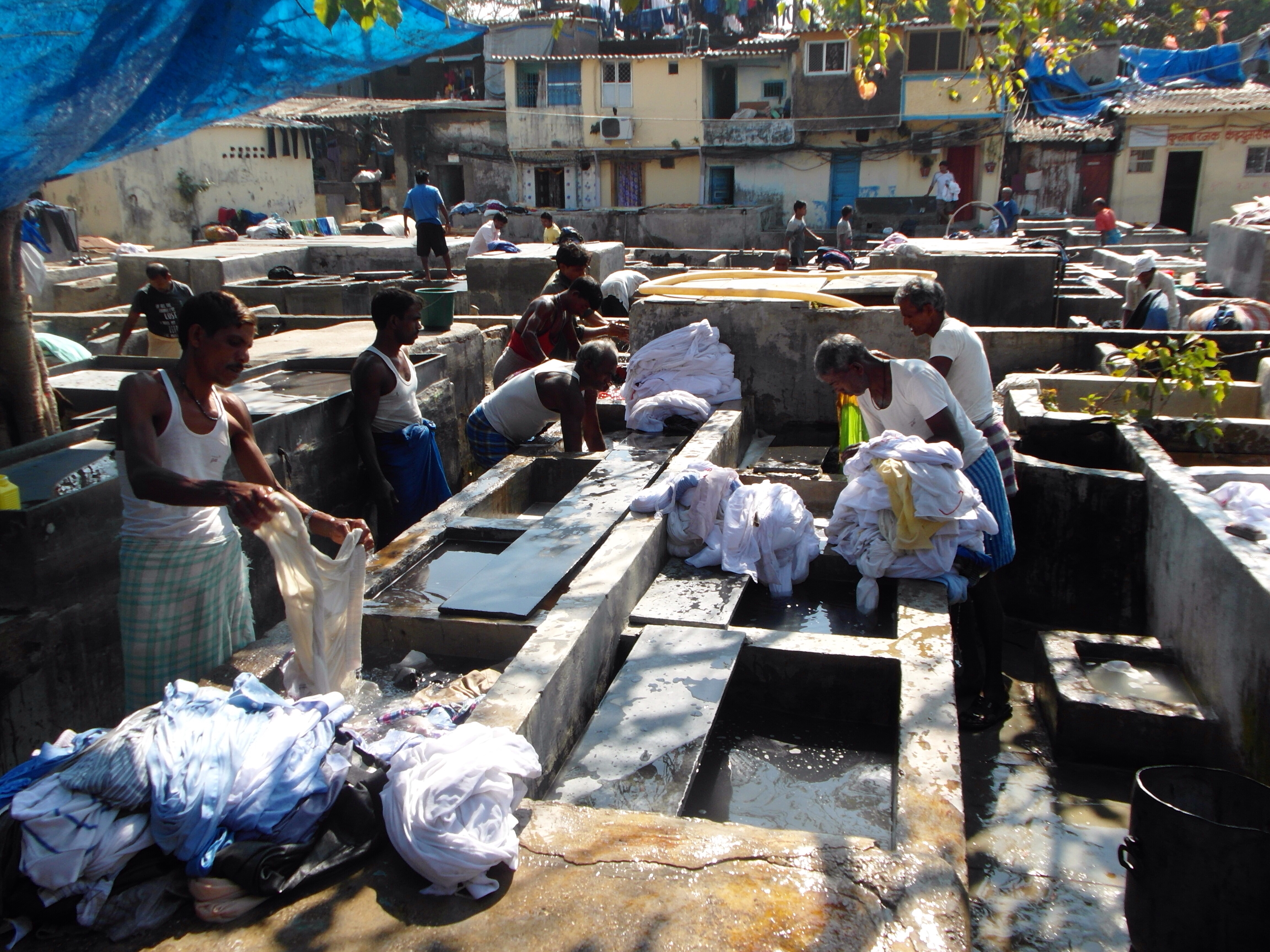
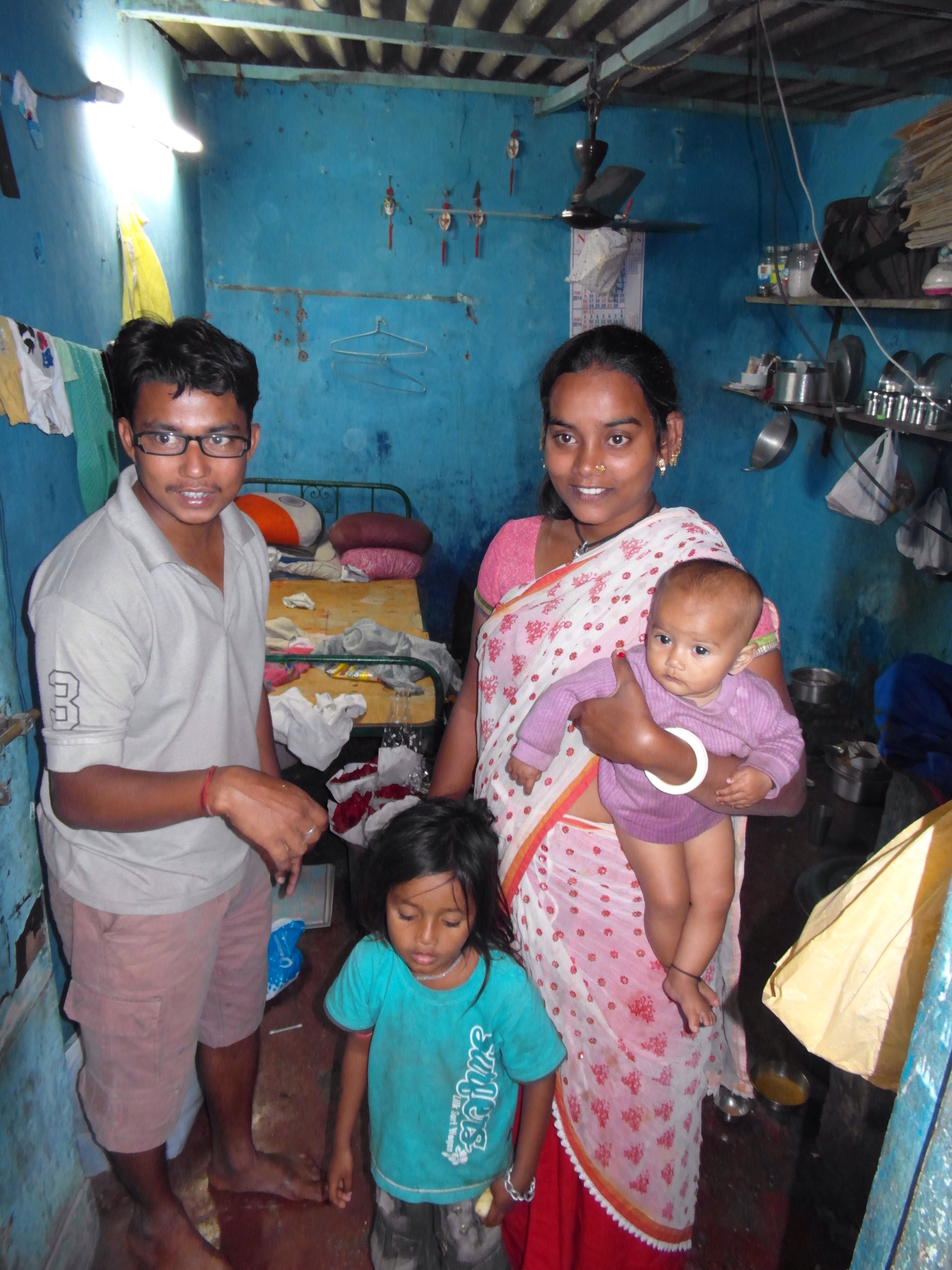
The Bharatratna Ambedkar Nagat neighborhood, or “Chawls”, was our next stop. Whole families live in one room in tight proximity with their neighbors in the rooms around them. The streets are very narrow alleys which leave no room for privacy. There are fewer and fewer of these neighborhoods in central Mumbai as they are rapidly being replaced by high rise buildings in this fast growing city.
The friendliness of the people of Mumbai continues to amaze. Time and again, we were invited to enter the home of a family and offered a cup of tea.
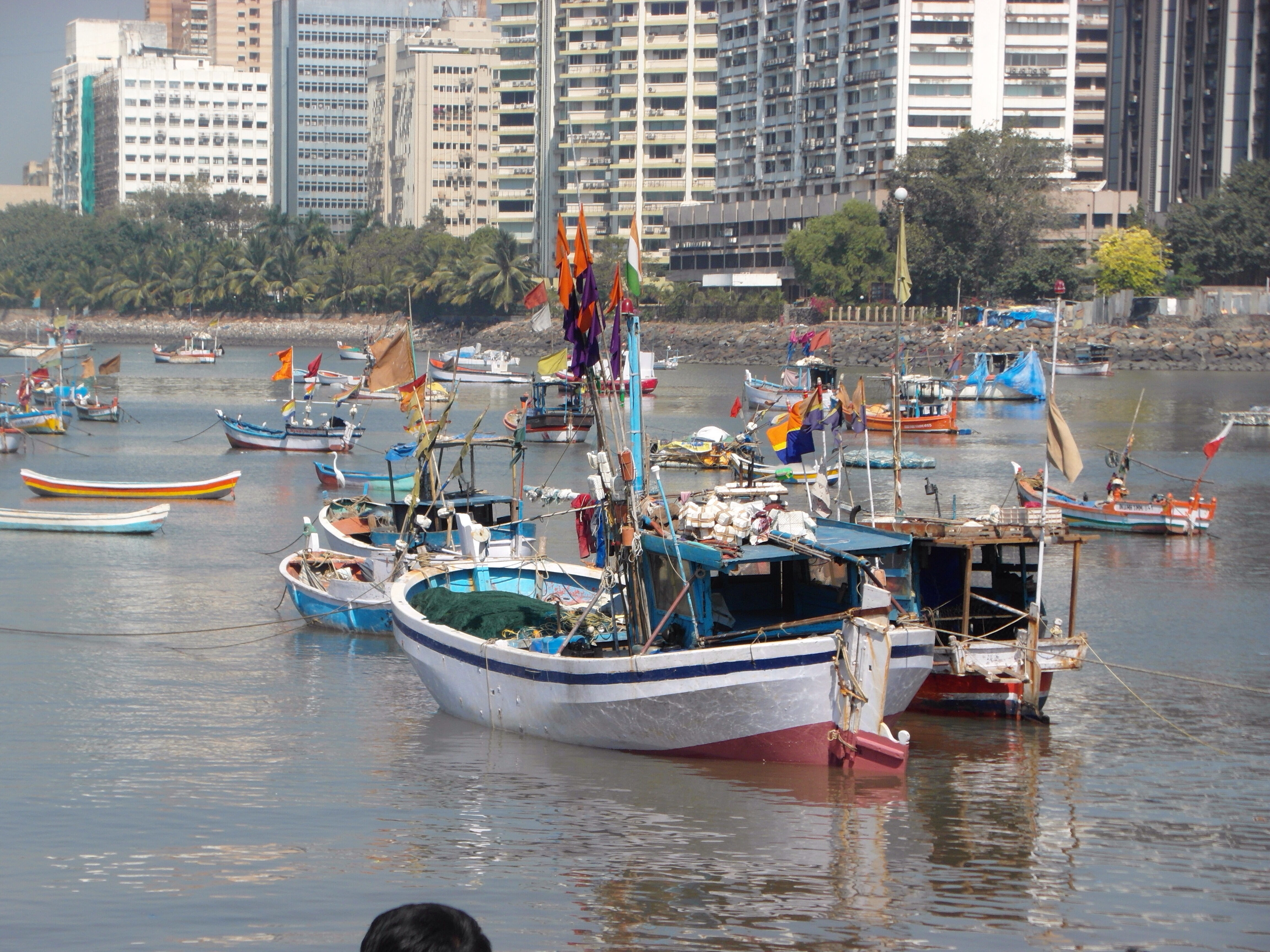
We stopped at Macchimar Colony in Colaba, behind Nariman Point, to have a look at the small fishing harbor where the Pakistani terrorists landed in 2008 to perform their horrific killing spree across downtown Mumbai.
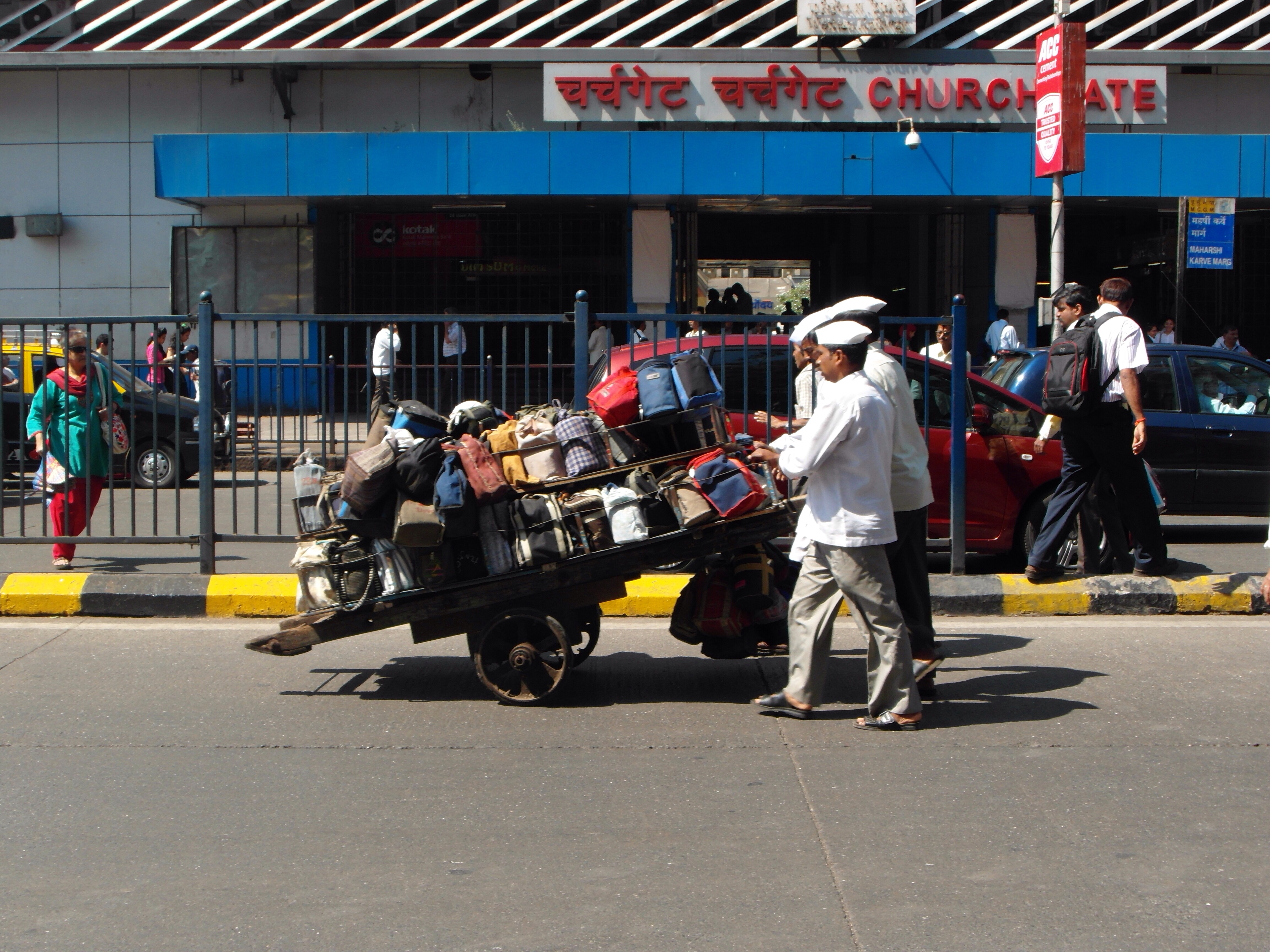
We later went to the Churchgate train station, one of the two main train stations in downtown Mumbai. While Churchgate handles the western railway system, Victoria Terminus on the eastern side of Mumbai handles the central railway system and is said to be the busiest train station in the world.
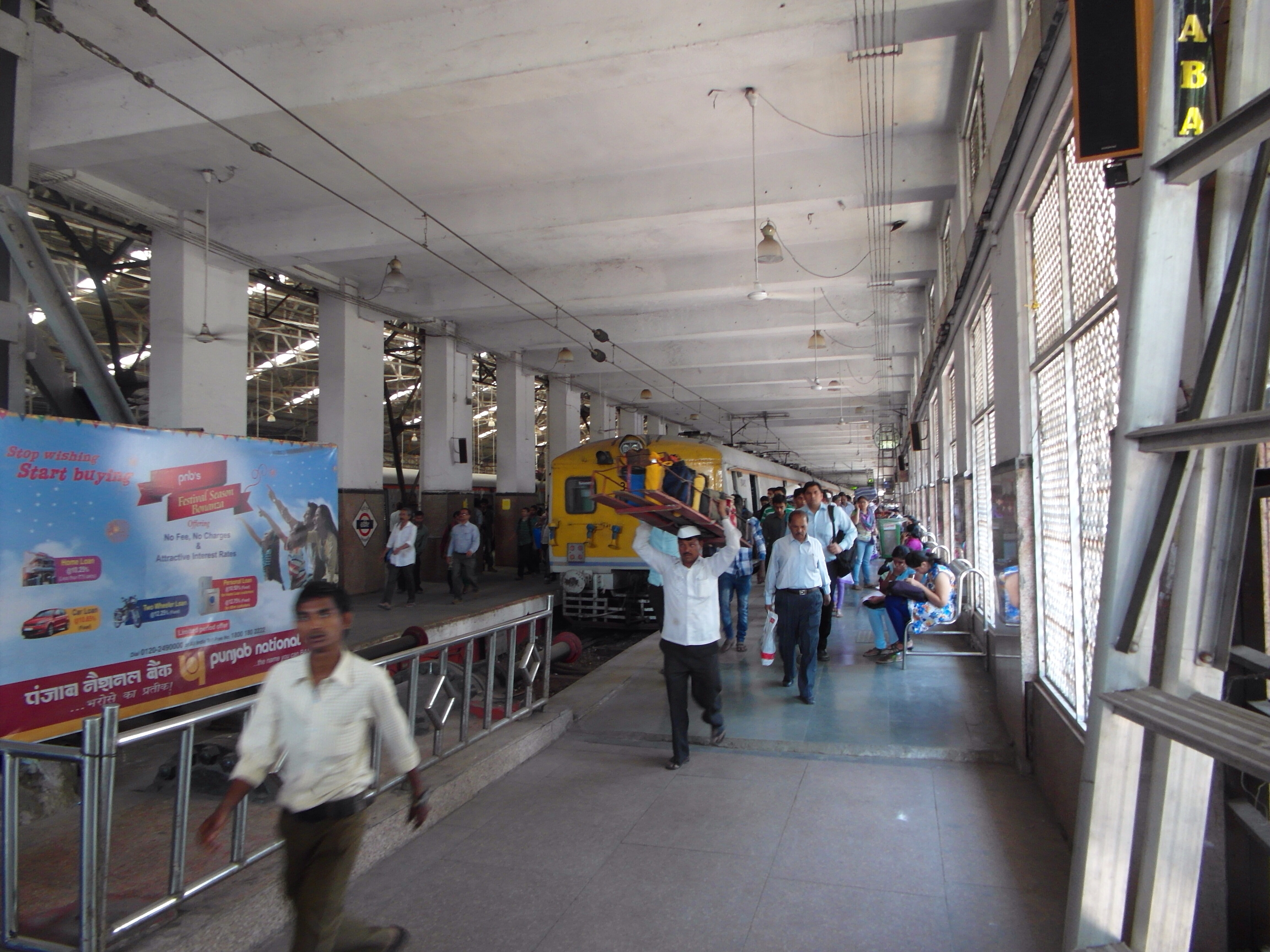
We were there to witness the arrival of the Dhabawallas, the unique lunch box delivery men of Mumbai. Every day, more than 200,000 lunch boxes are delivered from suburban homes to offices in central Mumbai, with the empty lunch box returned to its source by 4pm. The price? 40 rupees per lunch box (US0.75).
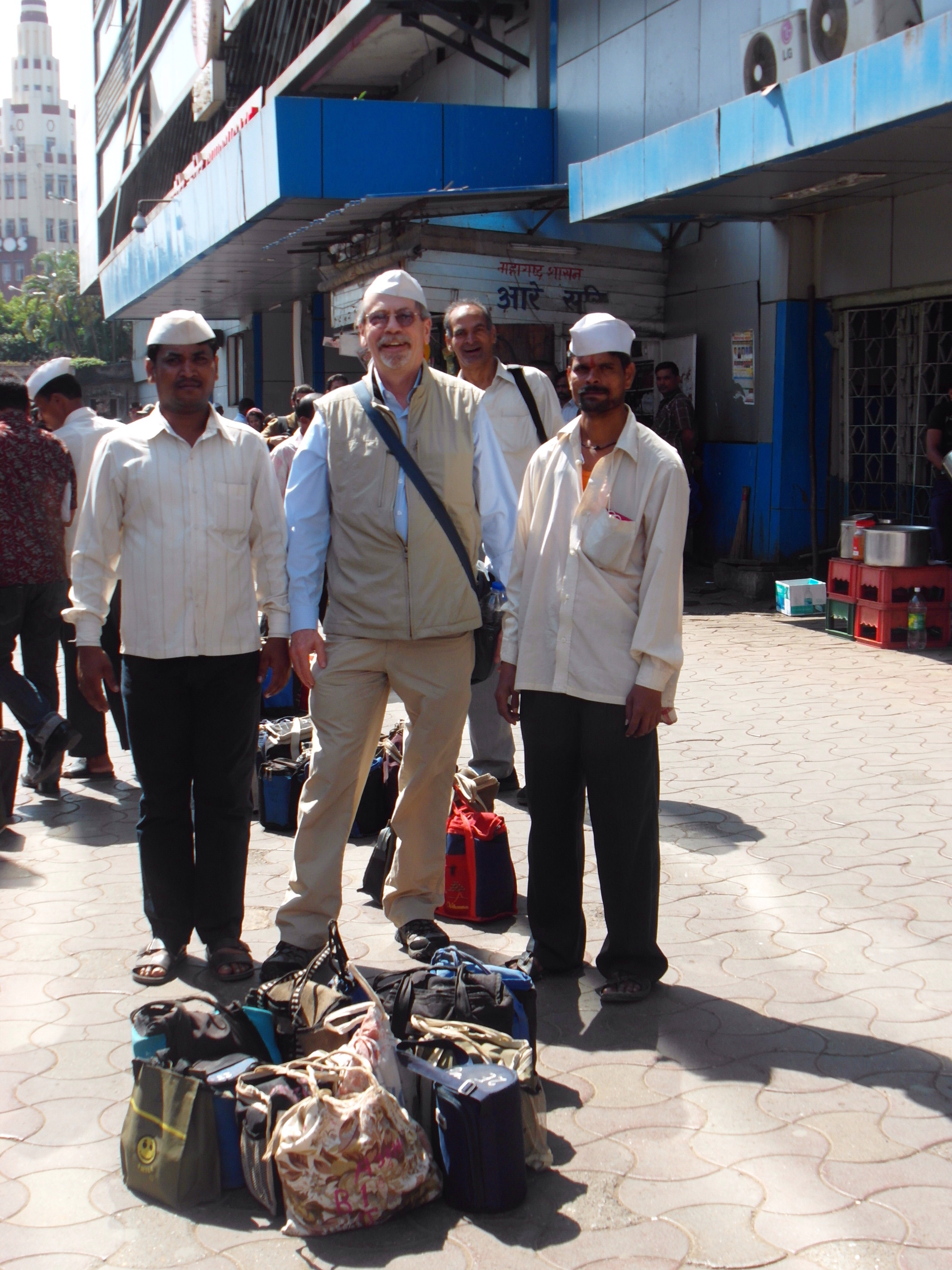
Started by British officers who did not want to eat local food but wanted instead to eat a lunch prepared by their wives, this tradition of home-cooked lunches has become a well-oiled system which has continued to evolve and grow and is amazingly efficient.
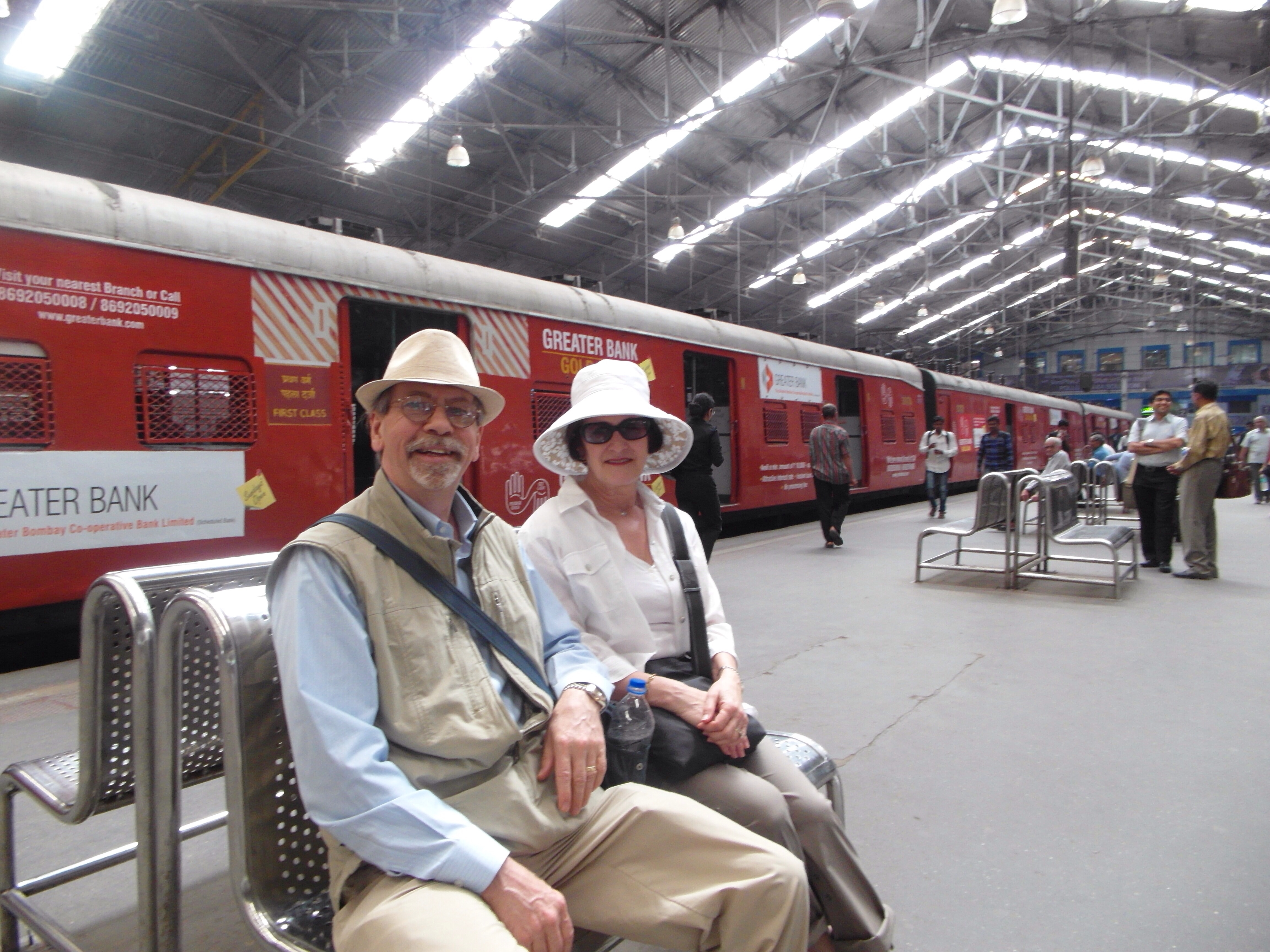
Taking the train while in India is an experience in itself and we hopped on one of the suburban trains which arrive and leave Churchgate station every four minutes. A regular ticket costs 5 rupees or about 8 US cents, a first class ticket is 45 rupees or about 75 US cents. The difference? wooden seat versus vinyl upholstered seats. Women have their own segregated cars.
Our destination was the northern part of town called Mahla Laxmi, home to the largest Dhobi Ghat in Mumbai.
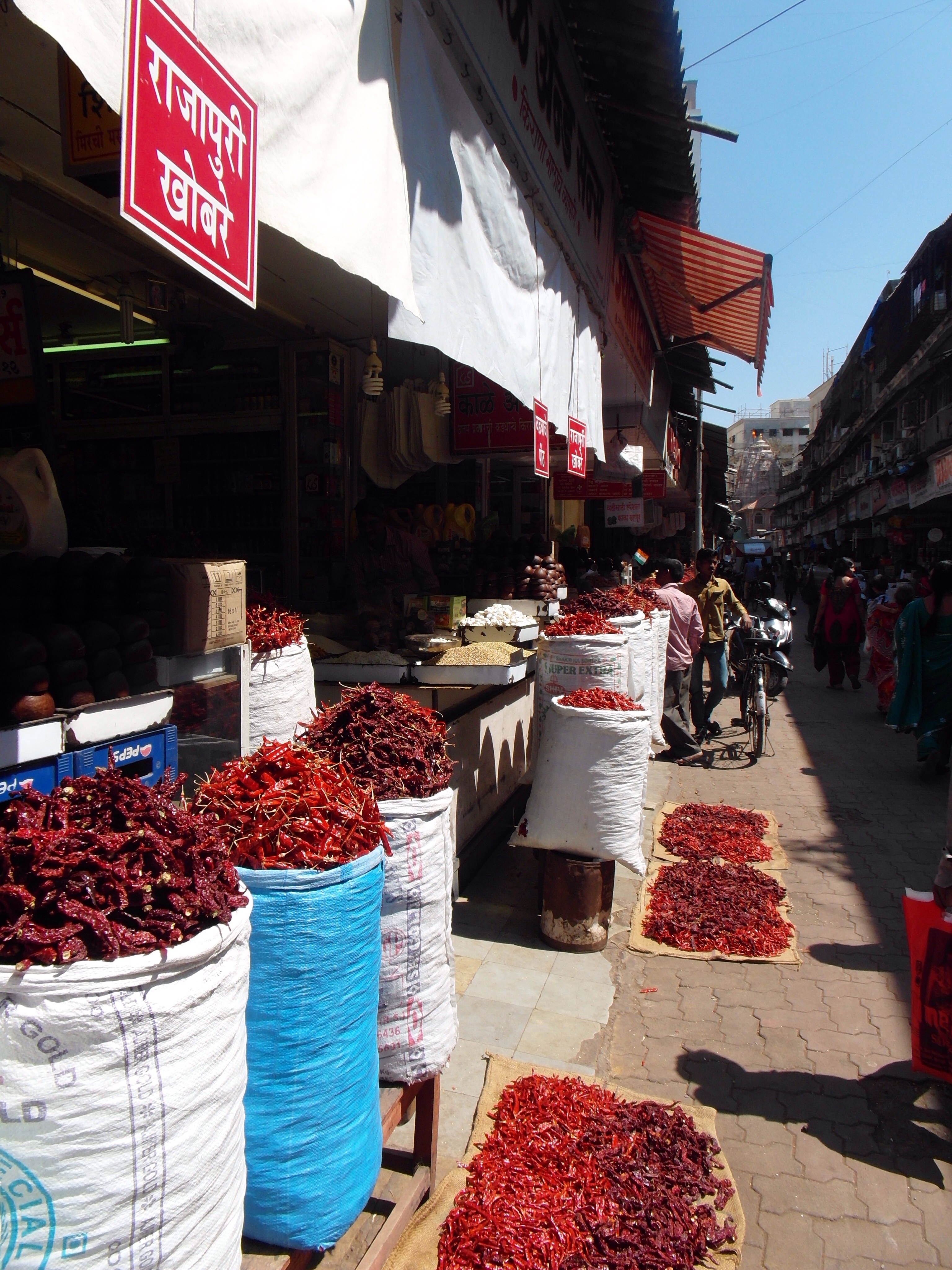
Also in the Mahla Laxmi area is the spice market. Not only is there a colorful display of all types of spices in the market, but several shops will prepare on the spot your own mix of spices and grind it into a powder called a masala as you wait.
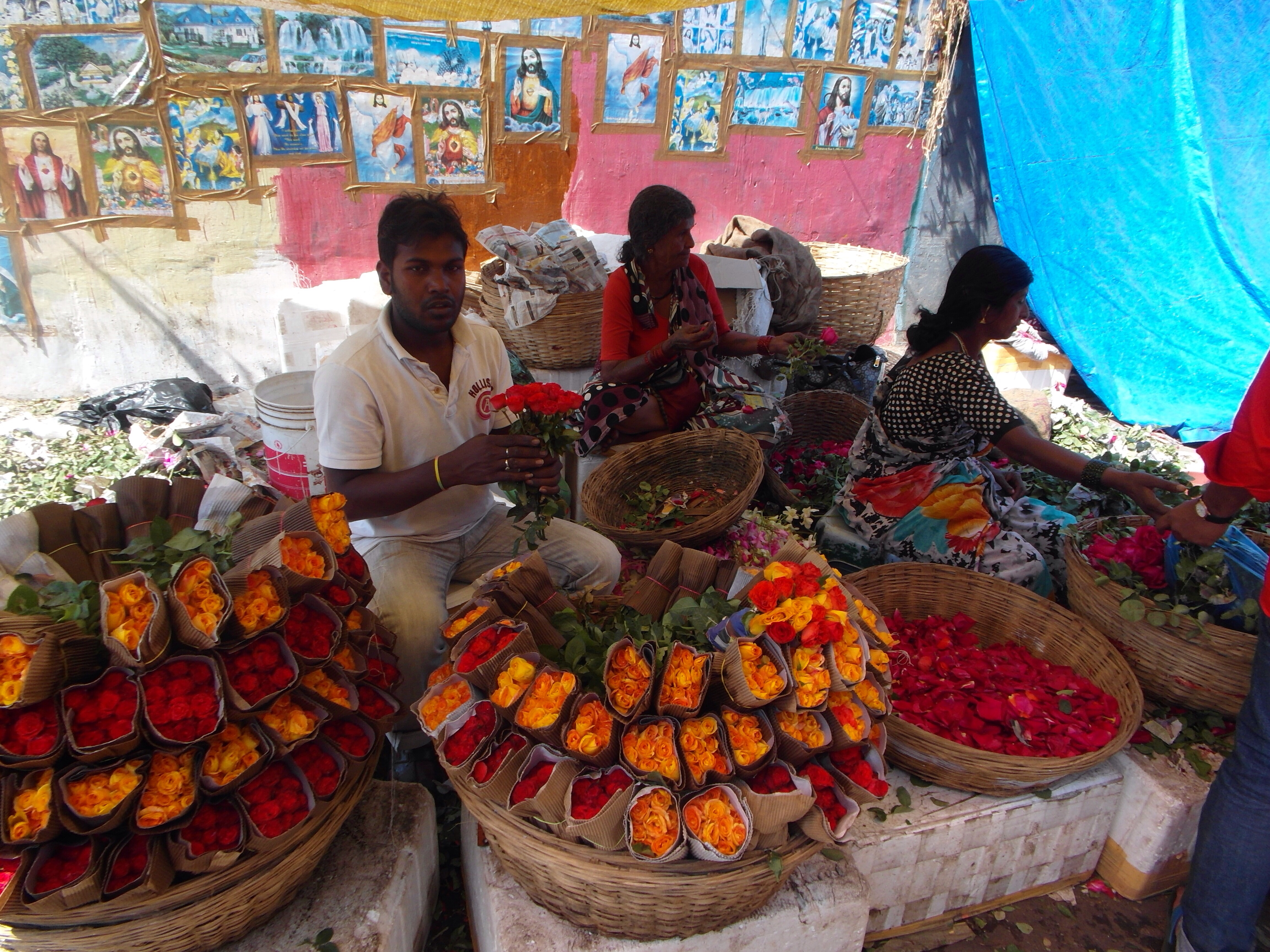
We went from the smell of spices to the smell of flowers at he flower market, our last stop before lunch (admittedly a late lunch). Want 2,000 fresh flower garlands for your wedding tomorrow? No problem. Teams of people are ready to assemble them for you.
The facets of Mumbai and of India itself covered here are but a fraction of the attractions of this magnificent city.
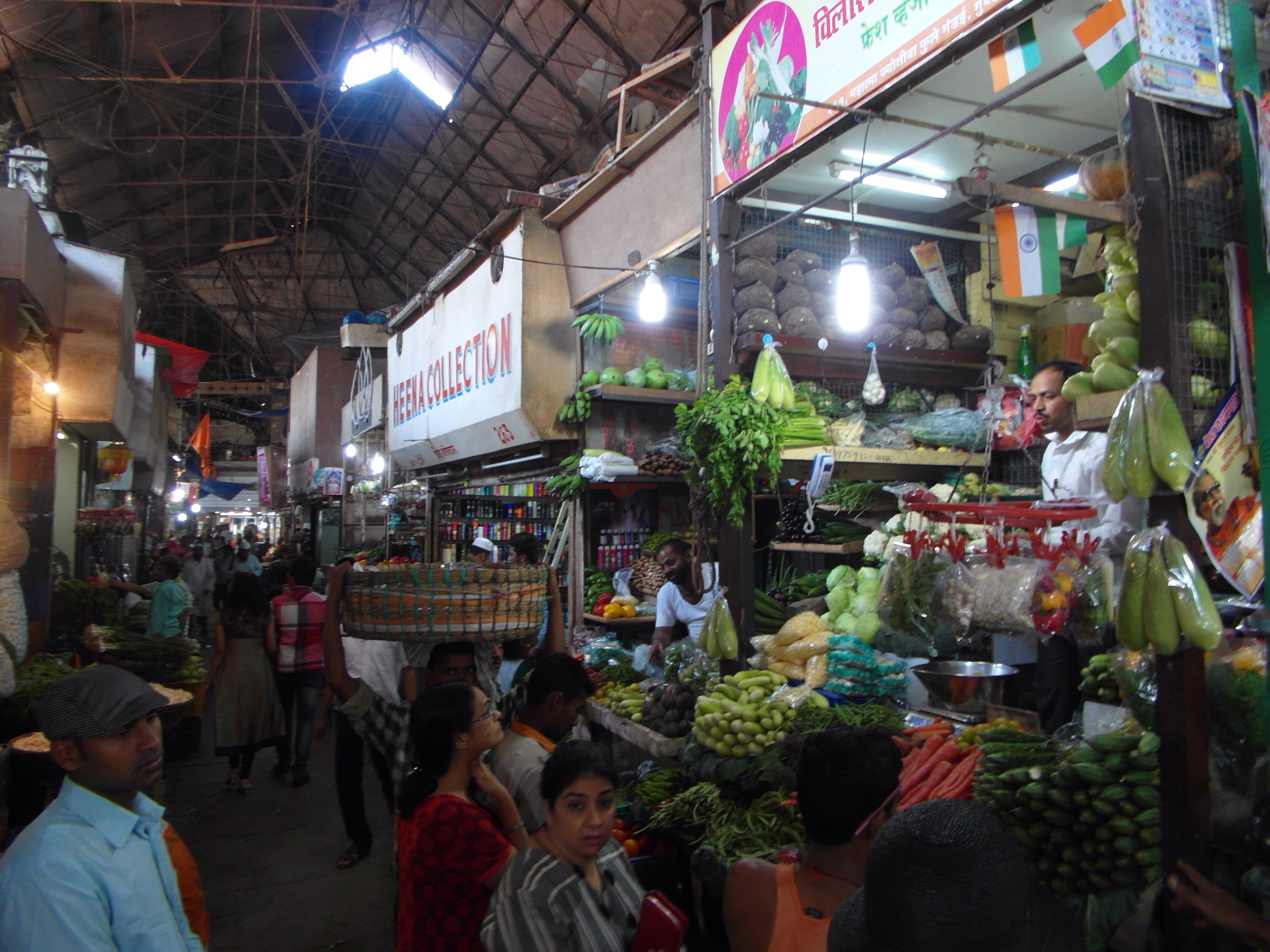
Crawford Market in downtown Mumbai
Mumbai is a vibrant and fascinating metropolis, the true heart of India.