Monthly Archives: July 2014
COUNTRY ROLL No 19 : Belize, which has it all: Mayas, Jungles, Beaches, and a great Barrier Reef!

Photo Belizehub.com
BEST of Australia food : Roast Lamb !
Roast Lamb was voted last year as Australia’s national dish, in a very close win over the traditional and very popular meat pie. I think this is a well deserved win, don’t you?
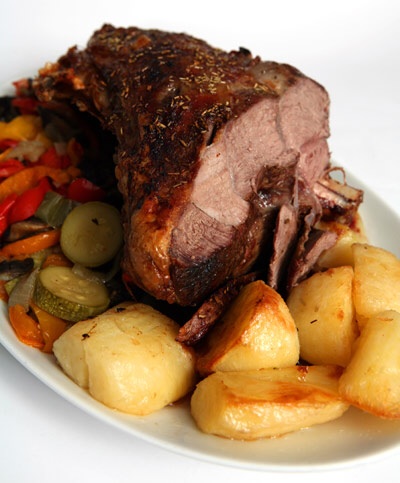
Photo Heatbeads.com.au
Recipe for Australian roast lamb from Australianfood.about.com:
The Roast is one of Australia’s and New Zealand’s favorite ways to eat lamb.
This recipe could not be simpler. The lamb is just oiled, salted and seasoned with garlic and rosemary.
The two most common lamb roast cuts are the leg and the shoulder. I used a shoulder here. This cut has more fat than the leg and therefore requires slower cooking.
If you have chosen to use a leg instead of shoulder, simply cook it for 20, 25 or 30 minutes per pound depending on whether you want rare, medium or well-done meat.
Prep Time: 15 minutes
Cook Time: 1 hour, 30 minutes
Total Time: 1 hour, 45 minutes
Ingredients:
1 kg (2.2 lbs) leg of lamb
1/4 cup of olive oil
2.5 tsp of sea salt
6 cloves of garlic, cut into slivers
Several sprigs of fresh rosemary
8 potatoes
2 large sweet potatoes
2 white onions
Mint Sauce
Serves 4
Preparation:
Preheat the oven to 290F.
Cut the potatoes and sweet potatoes into inch-thick slices. Cut the onions in half and then place vegetables into a baking tray.
Drizzle the vegetables with olive oil and sprinkle on some salt. Place tray in the oven on the bottom rack and roast.
Cover the lamb in olive oil and then sprinkle with sea salt.
Use the point of a sharp knife to make small incisions all over the lamb.
Place the garlic slivers and rosemary springs in the holes.
Place the lamb onto the middle oven rack with the vegetable baking tray beneath it to catch drippings.
BEST of Aruba food : Keshi Yena !
Keshi Yena, the national dish of Aruba, is a spicy mixture of chicken and peppers, capers, olives and tomatoes baked in a Gouda or Edam cheese “shell”.
Can you really visit Aruba and not try this wonderful dish?
Photo TripAdvisor.in
Here’s the recipe for Keshi Yena as provided by VisitAruba.com:
Ingredients
1 lb. chicken breasts
1 lb. chicken thighs
Salt and pepper
Poultry seasoning
Minced onion
4 quarts water
2 tsp. salt
12 peppercorns
1 or 2 onions
1 celery stalk with leaves bay leaf, bruised
3 tomatoes, peeled and chopped
4 onions, sliced
1 large green pepper, chopped
1Tbs. parsley, minced, or a few drops Tabasco sauce
Salt and pepper
2 Tbs. ketchup
1/4 cup pimento olives, sliced
1 Tbs. capers
1/4 cup raisins
2 Tbs. piccalilli
3 eggs, reserving about 6 Tbs.
1 or 2 hard-cooked eggs
Preparation Directions
Frugality was the keynote of island living in earlier times, when provisions had to last from the visit of one sailing ship to the call of another. In this classic recipe the shell of a scooped Edam (the thin rind remaining after a family had consumed the four pounds of cheese) is filled with spiced meat, then baked in the oven or steamed in the top of a double boiler. For these methods of preparation the red wax must be removed from the empty shell after is has been soaked in hot water. In a more dramatic version the filled Edam, with the red wax intact, is. tied in cheese cloth and suspended in boiling water for twenty minutes. The wax melts away in the hot water, leaving a delicate pink blush on the cheese. Use chicken or beef for the filling.
For the chicken filling, rub with the juice of several limes:
1 lb. chicken breasts
1 lb. chicken thighs
Season the breasts and thighs with:
Salt and pepper
Poultry seasoning
Minced onion
Let them stand for several hours. Then either arrange the pieces in a shallow baking dish, and after browning the chicken under the broiler, bake it for one hour at 350? , deboning it when cool enough to handle, or choose this more frugal method of preparation. Brown the chicken in three tablespoons butter, then place it in a heavy kettle with:
4 quarts water
2 tsp. salt
12 peppercorns
1 or 2 onions
1 celery stalk with leaves
bay leaf, bruised
Bring to a boil, reduce heat and simmer for twenty minutes, or just until chicken is tender. Strain and reserve the broth, discarding the vegetables
Debone the chicken and set aside.
After the chicken has been prepared by one of the above methods, sauteed two tablespoons butter:
3 tomatoes, peeled and chopped
4 onions, sliced
1 large green pepper, chopped
1Tbs. parsley, minced, or a few drops Tabasco sauce
Salt and pepper
Add and stir in well:
2 Tbs. ketchup
1/4 cup pimento olives, sliced
1 Tbs. capers
1/4 cup raisins
2 Tbs. piccalilli
The chicken, or 1 lb. ground beef, lightly browned, if beef is to be substituted for the chicken.
Simmer until the tomatoes are reduced, about twenty or thirty minutes. Remove from the fire and permit mixture to cool. If keshi yena is to be baked, preheat oven to 350 , if it is to be steamed, begin heating water in the bottom of a double boiler.
Beat and add to the meat mixture:
3 eggs, reserving about 6 Tbs.
Generously butter a casserole or the top of a double boiler. Before placing the cheese shell in it, spoon three tablespoons of the reserved beaten egg into the bottom of the container. Half fill with the meat mixture and add:
1 or 2 hard-cooked eggs
Fill shell to the top with remaining meat and cover with:
The original cap of the Edam, from which the wax has been removed, or a few slices of cheese. A word of caution! Never use soft young cheese for keshi yena.
Drip the remaining three tablespoonfuls of beaten egg over the top of the cheese as a sealer. (Place the lid on the double boiler). Set the casserole in a pan of hot water, or the double boiler top over the simmering water. Cook for one and one-quarter hours. Reverse keshi yena on a heated platter and keep warm for the cheese becomes hard and unappetizing if permitted to cool.
In place of the cheese shell, two pounds of Edam or Gouda slices may be used to line the cooking container. The slices should overlap and create the same effect as the shell. Add filling cover with additional slices and follow directions for baking or steaming the shell. The traditionalist with a great deal of time and patience, may scoop out a four pound Edam or Gouda, taking care not to pierce the shell.
BEST of Armenia food : Harissa, aka Herriseh !
Harissa, which I could also call chicken risotto with wheat, is not only the national dish of Armenia, but also a rallying symbol for Armenia’s courage and fortitude across centuries of tribulations! A stick-to-the-ribs comforting dish perfect for a cool day!
Photo BarevArmenia.com
Here’s the recipe for chicken Harissa (or Herriseh) from TheArmenianKitchen.com :
Ingredients:
1 whole chicken, approximately 3 lbs.
8 cups water
2 cups whole wheat kernels, rinsed in cold water and drained
2 tsp. salt, or to taste
cumin
paprika, optional
butter, optional
Directions:
1. Rinse chicken. Place in large pot with 8 cups water and salt. Bring to a boil, then reduce heat to medium. Cook, with lid tilted, for about 45 minutes to 1 hour, or until chicken is cooked.
2. Remove chicken from liquid; place on platter until cool enough to handle. Discard skin, bones and fat. Shred chicken; cut into smaller pieces, if necessary.
3. Strain broth. Measure broth, and add enough water to make the 8 cups needed. (Note: Some of the original amount of water will have evaporated, so this step is important.)
4. Place broth in large pot. Add wheat, shredded chicken, and salt if necessary. Bring to a boil; reduce heat to low. Remove any foam which rises to the surface.
5. Simmer on a very low heat, covered, for about 4 hours — without stirring! — until almost all liquid is absorbed.
6. Beat vigorously with a sturdy, long-handled, wooden spoon, mashing the wheat and chicken until they resemble thick oatmeal. Adjust salt, if needed.
7. To serve: place in bowls. Add a pat of butter, if desired. Sprinkle with a dash of cumin or paprika.
Robyn’s Notes:
A.) Cooking the chicken a day in advance allows you to chill the broth and discard excess chicken fat.
B.) Time-saving hints:
1. Leftover cooked chicken, lamb or turkey, and commercially prepared broth can be used to
shorten preparation time.
2. Using an immersion or stick blender, instead of beating with a wooden spoon (see step #6), will
save you a lot of time and energy!
C.) Leftover Herriseh freezes well. Just defrost, and reheat with a little extra liquid.
BEST of Argentina food : the Asado !
I can’t think of anything more Argentina than the Asado, the Argentina barbecue!
The secret to a great asado? Here’s the scoop from ArgentinoGrill.com :
In Argentina, an “Asado” is not just a way of cooking meat; it is an art form. Every chef has his own personal secret when it comes to arming the parrilla(grill), whether it is the heat of the fire, the ratio of coal to wood, or at what moment they turn the meat on its back. Grilled meat is part of the Argentine national identity, infinitely associated with the romanticism of the Pampa region and the wanderlust of the gaucho. Whether the individual comes from Córdoba, the Province of Santa Cruz, or the banks of the Rio de la Plata, Argentines are born knowing how to make asados.
The tradition dates back to an era when gauchos, or cowboys, roamed the interior Pampa region and lived entirely off the land and their stock. Many of the gauchos were of Italian descent, and they brought those cooking traditions with them to the kitchen when preparing meat. Their cow-centric livelihood created a need to be resourceful and thorough- and they let no part of the animal go to waste.
The asado tradition continues to this day, and there are many regional variations throughout the country. Whatever you do in Argentina, do not miss out on an asado. Not only are you failing to engage in one of the most delicious meals of your life, but you are not experiencing an important aspect of Argentine culture.
A traditional asado, or Asado Criollo is a specific way of grilling meat. There is an entire method and system in place for cooking, serving, and eating the meat. In other words, an asado is not just a throwing meat on the grill, it is an elaborate and purposeful set of customs.
When cooking the meat, the chef needs to be attentive to factors both above and below the grill. Beneath the grill, a traditional asado typically combines brasa (red hot coals) and leña (firewood), although the type of wood used is up for debate and varies region to region. The actual temperature of the grill, the distance from the coals, and the cooking times vary chef to chef, but generally the meat rests for the majority of time on one side (again, depending on the chef, tendency of the grill and the cut of meat), and is seasoned only with a pinch of salt. Borrowing from the gaucho need for conservation, an asado does not just include the best cuts of meat- there are potentially dozens of different parts of the animal served during the meal.
Generally, an asado begins with chorizo (sausage) and a black pudding, followed by various achuras (sweetbreads), before the serving of the meat. Ribs are traditionally brought out first, followed by the hindquarter cut; occasionally a third cut of meat is included. In all, a whole meal may consist of numerous cuts and preparations of the meat, including ribs, chorizo, black pudding, chinchulin (intestine), riñones (kidney), hindquarter meat, udder meat, criadillas (testicles), sweetbreads, stomach, and matambre. Many asados also include chicken, pork, lamb, and vegetables (most commonly peppers).
The meat is traditionally served with a chimichurri sauce, a mildly spicy mixture that includes spices, garlic, onion, and vinegar. All asados are also accompanied by a mixed salad and ideally served with a Malbec, a strong and slightly spicy red wine for which Argentina is known.
BEST of Antigua and Barbuda food : Fungee and Pepperpot !
Fungee and Pepperpot is the national dish of Antigua and Barbuda. That is somewhat strange, as pepperpot is a hearty meat stew, more frequently associated with colder climates. Fungee is cornmeal with okra. Both fungee and pepperpot are food preparations whose origins apparently predate the arrival of Columbus to the islands of the Caribbean! So fungee and pepperpot is probably as authentic a Caribbean dish as you will find.
Photo CaribbeanTravelDestinations.com
Recipe from InternationalCookingProject.blogspot.com, which modifies the traditional recipe to account for local ingredient availability:
Pepperpot
Ingredients:
-1 lb. corned beef brisket, cut into 1″ pieces
-1.64 lb. ham, cut across lengthwise (the original recipe didn’t specify an amount; this is what I used)
-8 c. water
-2 T. vegetable oil
-1 lg. onion, chopped
-4 green onions, chopped
-3 garlic cloves, minced
-1 habañero pepper, seeded and minced
-14 oz. can of whole tomatoes, drained
-1/4 c. tomato paste
-1 T. fresh chives, chopped
-1/2 tsp. ground thyme
-1 med. eggplant, cut into 1″ pieces
-1 lb. acorn squash, peeled, seeded and cut into 1″ pieces
-1/2 lb. yam, peeled and cut into 1″ pieces
-1/4 lb. fresh baby spinach
-16 oz can blackeyed peas, drained
-1/4 tsp. freshly ground black pepper
Directions:
1) In a 4 qt. Dutch oven, bring the corned beef, ham and water to a boil over high heat. Reduce heat to low and simmer until the meat is tender, about 1.5 hours. Drain the meat, reserving both the meat and the cooking liquid. Coarsely chop the ham.
2) While the meat is simmering, take the time to peel and cut all of the vegetables.
3) In the same 4 qt. Dutch oven, heat oil over medium heat. Add onion, green onions, garlic and habañero pepper. Cook, stirring often, until the onion has softened, about 4 minutes.
4) Stir in the tomatoes, tomato paste, chives and thyme, breaking up the tomatoes with a spoon. Bring to a boil, reduce heat to low and simmer 10 minutes.
5) Stir in the eggplant, squash and yam. Cook for 5 minutes, stirring often. Stir in meat and reserved meat cooking liquid. Bring to a boil, reduce heat to low and simmer until vegetables are done, about 20 minutes.
6) Stir in the peas and spinach. Cook until the spinach has wilted, about 5 minutes.
7) Season with pepper.
8) To serve, scoop 1-2 cups over fungee.
Fungee
Ingredients:-4 c. water
-2 c. yellow cornmeal
-1 tsp. salt
-6 okras, sliced
-butter
Directions:
1) Place water, okra and salt in a medium saucepan; bring to a boil. Cook until okras are done, about 5 minutes.
2) Remove about 2 c. liquid from pan.
3) Meanwhile, add cold water to cornmeal a little bit at a time until the cornmeal reaches a pasty batter. (I think that I ended up using about 1 c. cold water).
4) Add cornmeal mixture to okra water. Over low heat, stir continuously with a wooden spoon until mixture becomes fairly stiff. (I did this for about 7 minutes; I think I should have stirred for closer to 10). When the mixture breaks away clearly from the pan, the fungee is ready.
5) Butter a bowl. Turn the mixture into the bowl and shake it into the shape of the bowl. Turn it out onto a serving dish,
6) Serve with pepperpot.
BEST of Angola food : Moamba de Galinha !
Moamba de Galinha, portuguese for chicken stew, is the national dish of Angola. This very tasty dish is usually prepared with palm oil, a major crop of Angola. If you prefer not to use the traditional palm oil for the recipe, you can substitute a high temperature cooking oil of your choice.
Moamba de Galinha and Funge.
Photo Chefonline.Continente.pt
Recipe from Food.com :
Ingredients (Serving 4):
3 tablespoons fresh lemon juice (1 lemon)
4 garlic cloves, crushed
1/2 teaspoon salt
1 1/2 teaspoons chili powder
1 chicken, quartered
1/2 cup red palm oil
3 onions, chopped
1 chili pepper, left intact
3 tomatoes, quartered
1 lb butternut squash or 1 lb pumpkin, cut into 1 1/2-inch cubes
1 cup chicken broth
1/2 lb frozen okra, thawed
Directions:
1 Combine lemon juice, 2 of the garlic cloves, salt, and chili powder; rub all over chicken and marinate at least 1 hour up to overnight.
2 Heat oil in a Dutch oven, over medium heat, and brown chicken on all sides, in batches, if necessary.
3 Add onion, remaining garlic, chili pepper and tomatoes; bring to a boil, cover, reduce heat, and simmer until chicken is tender, about 1 hour.
4 Add squash, chicken broth, and okra; coom until vegetables are tender, about 15 minutes.
5 Serve with boiled yuca or over rice.
BEST of Andorra food : Escudella!
Escudella, which basically means soup, is considered the national dish of Andorra. This hearty dish is essentially a ham, chicken, sausage, potato, and al stew.
Here’s the recipe I borrowed from EzineArticles.com :
The Ingredients:
2 cups dry white beans
1 small ham bone
1 marrow bone (veal or beef)
1/4 chicken (or used several pieces, according to your taste for white or dark)
400 g raw pork sausages, sliced or formed into balls
2 slices cured ham, cut in chunks
1 large potato, cut in eights (Desiree or white)
1/4 cup rice
1 cup of pasta noodles (or pasta shells)
1 cup of cooked chick peas (yes, you can used canned ones to save time)
Salt and pepper (according to your tastes)
The Instructions:
Gently cook the sausage pieces/balls in a cast iron Dutch oven with vegetable oil over medium heat until browned. If you don’t have Dutch oven, a pot or flame proof-Casserole dish will do just as well.
Rinse the dry white beans in cold water and tie the ham bone and marrow bone in cheesecloth.
Put the beans, bones in cheesecloth, cooked sausage and ham in the pot or casserole. Fill it up with 8 cups of cold water, and add salt according to taste.
Bring to a boil, then reduce the flames and let it cook gently, covered, for about 2 hours. A good test of seeing whether it is ready is to check that the beans are cooked, and whether the chicken is very tender.
Remove the bones and discard them. If you like eating marrow, and most people do, you can save it for later.
Remove the chicken pieces and put them aside.
If there is only a little liquid left, you can add a bit more water.
Bring it to a rapid boil.
When it’s boiling, put in the cabbage, potatoes, rice, noodles (or shells), cooked chick peas and add pepper to taste.
Turn the flames down to a medium heat.
Cook for 30 minutes. You can test to see whether it’s ready by checking on the softness of the rice and potatoes.
Before serving, put the chicken back inside. If it’s on a bone, and you don’t like bones, you can remove them from the meat before putting it back into the pot or casserole.
Cook for a few more minutes. This is so that the chicken in the stew/soup is heated back up.
Season to taste.
Serve warm.
Recipe Source: http://EzineArticles.com/5461538
BEST of Algeria food: Saffron and Raisin Couscous!
Couscous is a staple food in Algeria. Saffron and Raisin Couscous with Fresh Mint is Algeria’s national dish.
Photo Hotfreeads.com
Saffron and Raisin Couscous with Fresh Mint recipe from TheGutsyGourmet.net :
Serves 6
Ingredients:
1 1/2 cup water
3/8 teaspoon saffron threads
3/4 teaspoon extra virgin olive oil
3/8 teaspoon salt
1 1/2 cup couscous
0.188 cup raisins
2 1/4 tablespoons chopped fresh mint
Directions:
1) In a saucepan, bring the water to a boil and add the saffron. Remove from the heat, cover, and let
stand for 30 minutes.
2) Return the pan to the heat, bring to a boil, and mix in the olive oil, salt, couscous, and raisins.
Remove from the heat, cover, and let stand for 30 minutes.
3) Using a fork and your fingertips, fluff the couscous to separate the grains. Taste and adjust the
seasonings. Stir in the mint. Serve warm or at room temperature.
BEST of Albania food: Tave Kosi!
Tave Kosi is Albania’s national dish. Baked lamb and rice with yoghurt.
Here is the recipe I borrowed from Epicurus.com:
Tave Kosi : Baked Lamb with Yogurt
Recipe type: Lamb or Mutton
Serves: 6
Ingredients
1 1/2 pounds lamb leg or shoulder
salt, to taste
freshly-ground black pepper, to taste
3/4 Cup butter
2 Tablespoons rice
2 Tablespoons oregano leaves, fresh
1/2 teaspoon; garlic, crushed
2 pounds yogurt
5 eggs; beaten
1 Tablespoon flour
Prepare the Recipe
Cut meat into 4 serving pieces. Season with salt and pepper to taste. Dot with 1/4 Cup butter and bake at 350 degrees with the oregano and garlic, basting now and then with pan juices, about 40 minutes, or until well browned. Stir rice into pan juices. Remove baking pan from oven and set aside while preparing yogurt sauce.
Combine yogurt with salt and pepper to taste. Stir in eggs until smooth. Set aside.
Melt remaining 1/2 Cup butter and add flour. Saute until smooth. Add yogurt mixture and stir until smooth. Pour yogurt sauce in baking pan, stirring it with meat pieces, and bake at 375 degrees 45 minutes. Serve hot.
Best of Afghanistan food: Qabili Palau !
Qabili Palau is Afghanistan’s national dish. Tender meat (usually lamb) is covered by a mountain of rice mixed with lentils, raisins and carrots
Here’s the recipe I borrowed from the Afghan Culture Unveiled blog of Humaira:
Afghanistan’s National Dish Qabili Palau
3 cups basmati rice
5 skinless chicken legs
5 skinless chicken thighs
2 large yellow onions, peeled and quartered
½ c plus 2 tbsp. olive oil or vegetable oil, divided
5 tsp. salt
1 cup chicken broth
3 large carrots, peeled
1 cup black raisins
½ cup slivered almonds
3 tbsp. sugar
¾ cup water
2 tsp. ground cumin
1 ½ tsp. ground cardamom
½ tsp. ground black pepper
12 cups water
2 tsp. browning sauce such at Kitchen Bouquet (optional)*
Instructions:
Preheat the oven to 500 degrees.
Immerse rice in a bowl of water and drain in a colander. Repeat this step 3 times.
Wash and dry the chicken. Set aside.
Chop the onions in a food processor using the pulse button. Don’t puree the onions. You can do this by hand if you prefer.
Choose a sauté pan that is at least a couple inches deep and large enough to fit all the chicken. Pour ½ cup of the oil in the pan and sauté the onions over high heat, stirring quickly, until brown (5-10 minutes). Don’t burn them. Add the chicken to the pan and sprinkle with 3 tsp. of the salt. Cook the chicken over medium-high heat for 6 minutes, turning from time to time so all sides turn golden brown. The onion will start to caramelize and turn into a thick sauce. Add 1/4 cup of the chicken broth, and continue stirring to keep the chicken from burning. Once the liquid has been absorbed, add another 1/4 cup of, bring it to a boil, cover with a lid or aluminum foil, and simmer for 10 minutes. The sauce should turn a dark brown. If your sauce does not take on a dark color you can add the Kitchen Bouquet to give it color.
While the chicken is cooking, cut the carrots into long matchsticks, about 4 inches long and 1/8-inch thick. Make sure that they are not too thin. In a large frying pan add ¾ cups of water and bring to a boil, add the carrots and cook until tender and a deep orange hue, 5 to 7 minutes. Keep a close eye on this to make sure you do not overcook them. Once the carrots are done, drain any leftover liquid out of the pan. Add the remaining 2 tbsp of oil, raisins, almonds and sugar to the carrots. Stir quickly over medium-high heat and keep stirring for about 3 minutes. The raisins will look plump; the carrots will take on a nice sweet flavor. Remove from heat and package the carrots into a sealed aluminum foil pouch about the size of a small paperback novel.
Remove the chicken pieces from the broth and set aside. Stir the cumin, cardamom and black pepper into the broth. Continue to cook on low for 5 minutes to allow it to thicken.
Meanwhile, measure 12 cups of water and the remaining 2 tsp. of salt into a large Dutch oven or pot (see our Palau post for photos) with a fitted lid. Bring it to a boil. Add the rice to the water and boil until it is al dente (nearly cooked, though still slightly crunchy). This will take just a few minutes depending on the rice you use. You will have to taste it to check for doneness. Do not overcook it.
Immediately strain the rice through a colander. Put the rice back into its cooking pot and add the broth. Mix well. Arrange the chicken pieces on top of the rice. Set the aluminum package of carrots on top of the rice. This will keep the carrots warm and deepen the flavors without mixing with the rice yet.
Bake the rice for 15 minutes in 500 degrees then drop the temperature down to 250 degrees. Cook for another 20 minutes.
Arrange the chicken pieces on a large platter, cover with the rice. Sprinkle the carrots, raisins, and almonds on the rice. Serve with a simple salad.
Serves 6-8
COUNTRY ROLL No 14 : Bahrain, the Persian Gulf island of one million palm trees!
 Photo Gulf Hotel Bahrain